

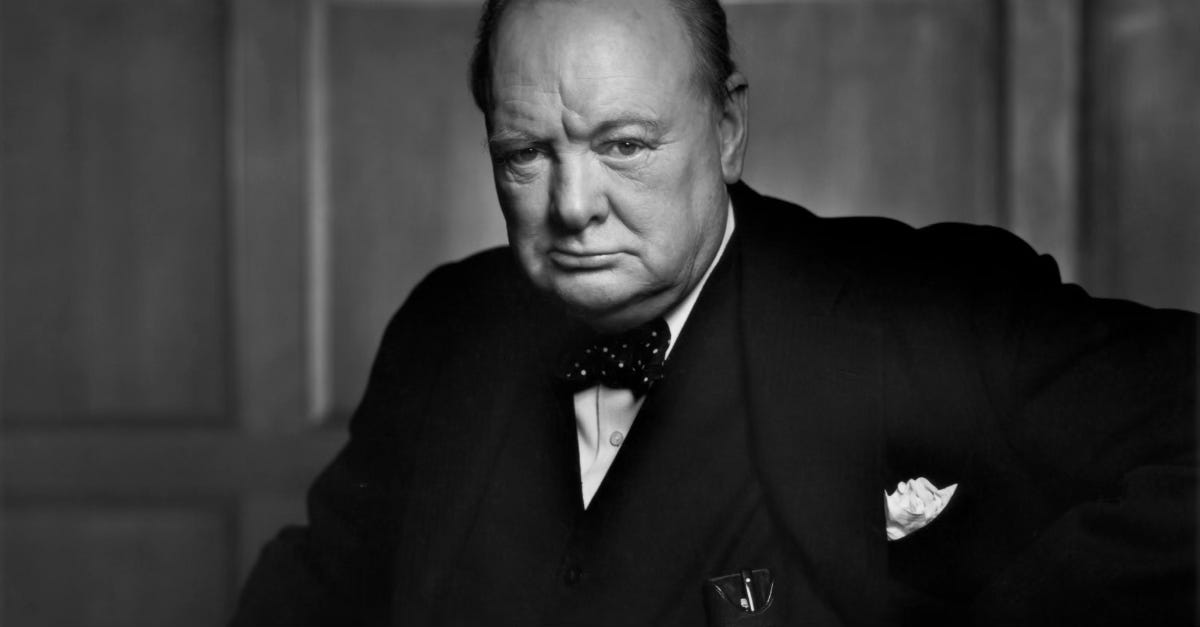
“Never let a good crisis go to waste” is often linked to Winston Churchill, though historians note he may not have said it exactly that way. Whether he did or not hardly matters. The phrase sticks because it’s true: crises change the rules. What seemed impossible yesterday can suddenly become possible, urgent, or even obvious.
In politics, people often view this idea with suspicion. A crisis can be used as an excuse to make decisions that would not pass in normal times. That view is not wrong. But in companies, products, and teams, the idea is less dramatic and much more practical.
Usually, organizations value stability above all. Roadmaps are treated as untouchable, and backlogs are managed with great care. Processes are protected like family traditions. People may agree something is broken, but it never seems urgent enough to fix. Then a crisis hits. Revenue falls, users leave, a platform policy changes, a regulator steps in, or a competitor makes a smart move. Suddenly, the same people who said “we can’t touch this” start asking, “what if we rebuild it completely?”
This is when product management proves its value.
A crisis makes priorities clear. Features that seemed “strategic” last quarter are revealed as unnecessary. Metrics that were once ignored can no longer be overlooked. Meetings get shorter, not because people improved, but because time now matters. In a crisis, the organization stops pretending to be perfect and shows its true nature: a group of people trying to get through tough times.
For product teams, this is both uncomfortable and powerful. Many decisions that were delayed finally get made. Old features that stayed only because “someone important once asked for them” are now questioned. Technical debt, once ignored, is now seen as a real problem. The crisis allows people to speak openly about issues that were only mentioned quietly before.
Of course, not every crisis leads to good results. Some teams freeze, some panic, and others work hard on the wrong things. “Never let a good crisis go to waste” does not mean acting without a plan. It means using the time when people are open to change to do what was needed all along.
There’s another hard truth. Crises show who was really thinking and who was just following orders. Product strategies that only worked in calm times often fail right away. The ones that last are usually simple: focused on users, strict about value, and careful with metrics. A crisis doesn’t create good product thinking, but it does take away the excuses that hide its absence.
Here’s the final irony. After a crisis ends, organizations quickly forget. Old habits come back. Emergency decisions become “temporary solutions” that last for years. The clarity disappears faster than expected. The real waste is not failing during a crisis, but surviving it and then acting as if nothing changed.
If a crisis happens, whether big or small, inside or outside the company, the worst thing to do is treat it only as a problem to fix. It’s also a chance for focus, leverage, and honesty. It’s painful and stressful, but it’s also a rare moment of truth.
In product management, honesty is rare. When it appears, it should not be wasted.