

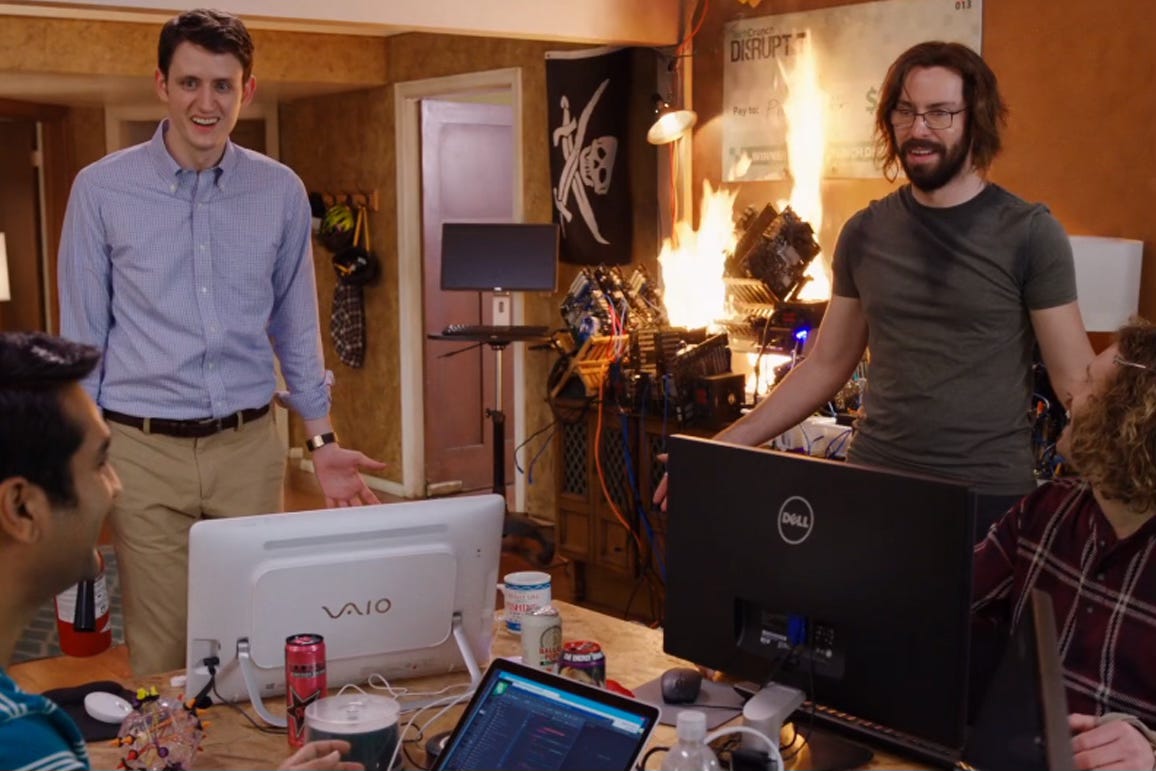
For many teams, “firefighting” isn’t just a metaphor anymore. It’s what they do every day. When something breaks, a stakeholder complains, a customer is waiting, or a deadline is missed, everyone jumps into action. Meetings get canceled, important details are lost, priorities change quickly, and for a short time, everyone feels busy and important.
This is what firefighting often looks like: a serious bug found too late, a launch delayed at the last minute, or an urgent request that skips all the usual planning. Sometimes, a system only works because a few people know the hidden tricks. These situations bring excitement, stories, and sometimes even rewards. But they also create the false idea that this is how work should be.
Organizations handle firefighting in different ways. Some openly praise it, celebrating those who “save the day,” valuing being available over being sustainable, and mixing up stress with real importance. Others claim to dislike firefighting, but still set up processes that lead to more emergencies. Some teams even believe their problems are special, saying, “This one is different,” again and again.
The real causes of these emergencies are usually clear. They come from delayed decisions, unclear roles, poor teamwork, unspoken assumptions, fragile systems, and rewards for speed instead of careful thinking. Emergencies rarely happen because of one bad day. They build up from many small choices that seemed fine at the time.
Constant firefighting leads to more than just burnout, though burnout comes quickly. First, quality drops because fixes are rushed and don’t last. Then, trust fades as deadlines lose meaning and promises change. Long-term planning is pushed aside because urgent problems always come first. Over time, the organization gets good at reacting but loses the ability to think ahead.
Why is it so hard to set up work to prevent emergencies? One reason is that prevention is invisible — no one notices the problems that never happen. Prevention also means saying no, slowing down, and making clear decisions, which can feel uncomfortable, especially where being busy is seen as progress. Firefighting also gives people a sense of control, even if it doesn’t last.
Looking for root causes isn’t as exciting as fixing emergencies, but it works better. It starts by not rushing ahead. Ask not just what failed, but why it could fail in the first place. Ask which warning signs were missed, which assumptions went unchecked, and which risks were accepted without responsibility. Most importantly, ask if the organization learned anything or just got through another crisis.
Solving root problems needs strategies that may seem dull compared to emergencies. Make sure everyone knows who owns what, so issues don’t get lost between teams. Make work clear enough that problems show up early, not at the last minute. Build systems that fail in obvious and safe ways, not quietly and disastrously. And set up rewards so that preventing problems matters as much as fixing them.
Leaders are important here, but not as heroes. They set the tone by what they reward, allow, and overlook. If people see that escalation works better than planning, they will escalate. If last-minute efforts get praise but quiet prevention is ignored, emergencies will keep happening. Good leadership is less about putting out fires and more about making sure they don’t start again.
Team members also play an active role. Their habits, shortcuts, and silence shape how things work. Speaking up about bigger issues, keeping track of decisions, questioning fake urgency, and making time for real work aren’t rebellious — they’re professional. If a team never pushes back against chaos, it eventually becomes part of the problem.
The hard truth is that many organizations are hooked on firefighting. It feels busy, obvious, and emotionally satisfying. Solving deeper problems feels slow, unclear, and often goes unnoticed. But only real problem-solving can grow with the company. Only it makes room for strategy, quality, and people who want to stay for the long term.
Sometimes, you have to put out fires. But choosing to build a system that doesn’t keep catching fire is up to you.