

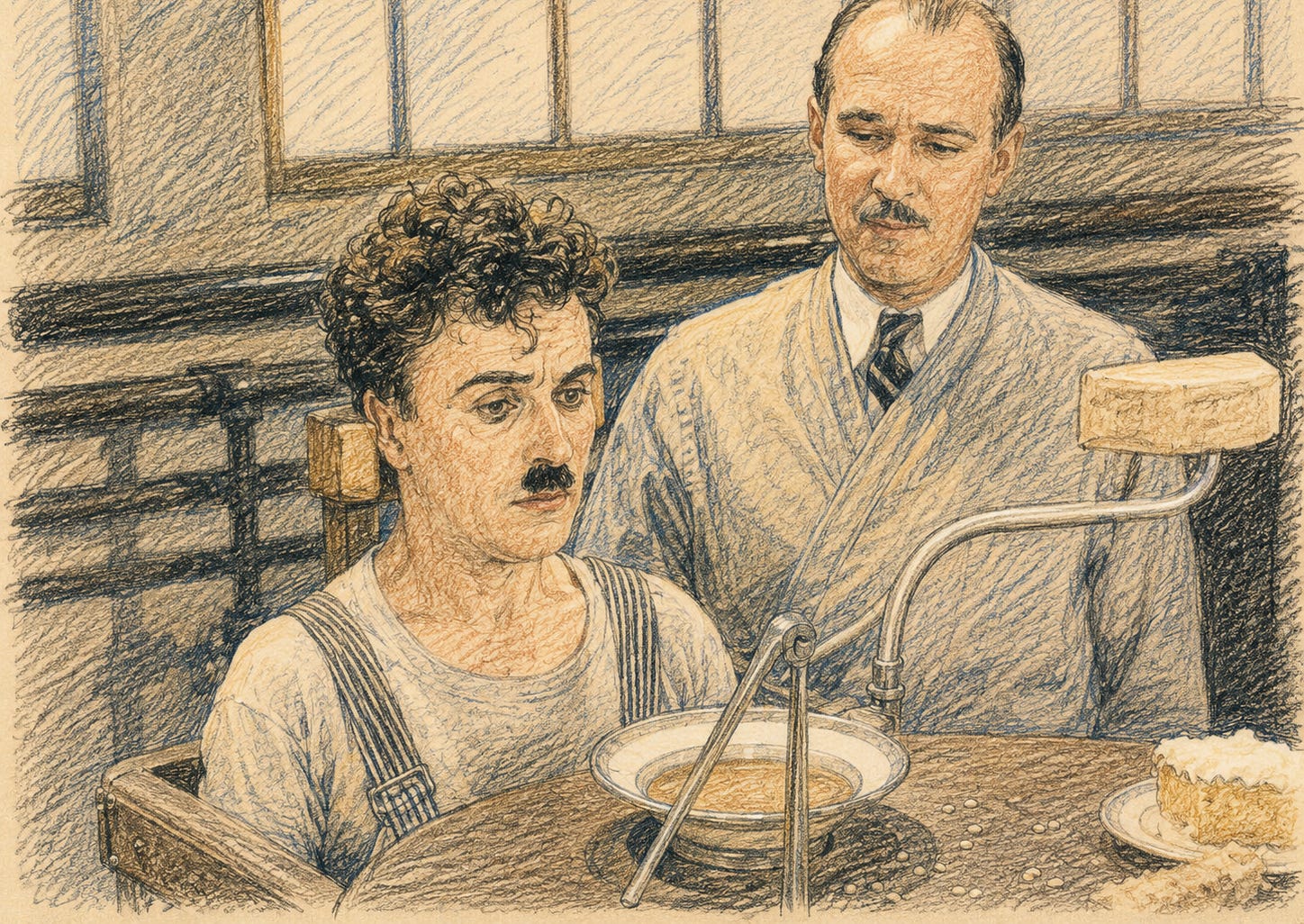
A manager is exhausted. They can barely concentrate. Their calendar looks like a game of Tetris designed by someone with a personal grudge. Every meeting feels heavier than the previous one. Deadlines keep moving closer, decisions take longer, and even simple conversations require more effort than they used to.
What do many companies do next? They sign the manager up for a resilience workshop.
It is a fascinating solution. Almost like trying to extinguish a fire by giving the building a course on fire safety.
The more I think about burnout, the more convinced I become that one of the biggest management mistakes is treating it as a knowledge problem. Somewhere along the way, many organizations started believing that every human problem has an educational solution. If someone is overwhelmed, teach them time management. If they are emotionally drained, teach resilience. If they struggle with priorities, send them to another workshop. The assumption is always the same: if people knew more, they would cope better.
The irony is that learning itself is demanding work. It requires attention, energy, memory, curiosity, and the ability to absorb new ideas. Those are exactly the resources that severe burnout gradually takes away. Asking someone in that condition to attend another training course is a bit like asking a marathon runner who has collapsed after kilometer 40 to spend an afternoon improving their running technique before offering them water. Nobody would seriously suggest that in sports. Yet in management, we often call it employee development.
The research I recently read makes a distinction that deserves much more attention. Burnout is not simply an individual psychological problem. It develops when there is a long-term mismatch between the person and the way work is organized. Chronic overload, endless context switching, poorly designed roles, lack of control, conflicting priorities, or promotions into levels of complexity people were never truly prepared for all contribute to the problem. None of these can be solved by adding another course to someone’s calendar.
That does not mean individuals have no responsibility. They absolutely do. Good managers learn to delegate, protect their calendars, challenge unnecessary meetings, escalate issues early, and admit when they have reached their limits. But personal responsibility should never become an excuse for organizational irresponsibility. If the environment keeps producing the same pressure every day, teaching people to breathe differently does not remove the weight sitting on their shoulders. It simply makes them carry it a little more quietly.
Interestingly, we already know this principle from product management. When a product repeatedly fails, experienced teams rarely conclude that users need another training session. They investigate the system. Was the product designed correctly? Were the incentives wrong? Did we create unnecessary friction? Did our assumptions turn out to be false? Somehow, when the subject changes from products to people, many organizations completely reverse the logic. The system remains untouched, while the human being becomes the object that needs fixing.
Another observation from the paper is equally important. Severe burnout can eventually resemble clinical depression so closely that distinguishing between the two requires proper medical assessment. Medication may become necessary if clinical depression develops, but medication alone cannot remove excessive workload, poor leadership, impossible expectations, or dysfunctional organizational design. Treating only the symptoms while leaving the environment unchanged is unlikely to produce lasting recovery.
Perhaps this explains why burnout remains so difficult to address. Organizations naturally prefer solutions that fit existing processes. Buying a training program is straightforward. Adding another position to the team is expensive. Redesigning responsibilities is politically complicated. Admitting that someone was promoted without enough support is uncomfortable. Canceling half the recurring meetings may feel almost revolutionary. One option ends with certificates and smiling photos. The other requires leaders to admit that the system itself needs to change.
What strikes me most is that prevention receives remarkably little attention because it is almost invisible. Nobody celebrates the manager who never burned out because their workload was realistic, priorities were clear, and they had enough authority to match their responsibility. There are no awards for crises that never happened. We tend to notice burnout only after someone collapses, not when good management quietly prevents it from happening in the first place.
Maybe that is why we continue investing so much effort in making people stronger instead of making organizations healthier.
The uncomfortable question for leaders is not, “How do we make burned-out managers more resilient?”
It is, “What have we built that requires so much resilience just to survive another week?”